High-stakes gamble of a Persian Gulf blockade
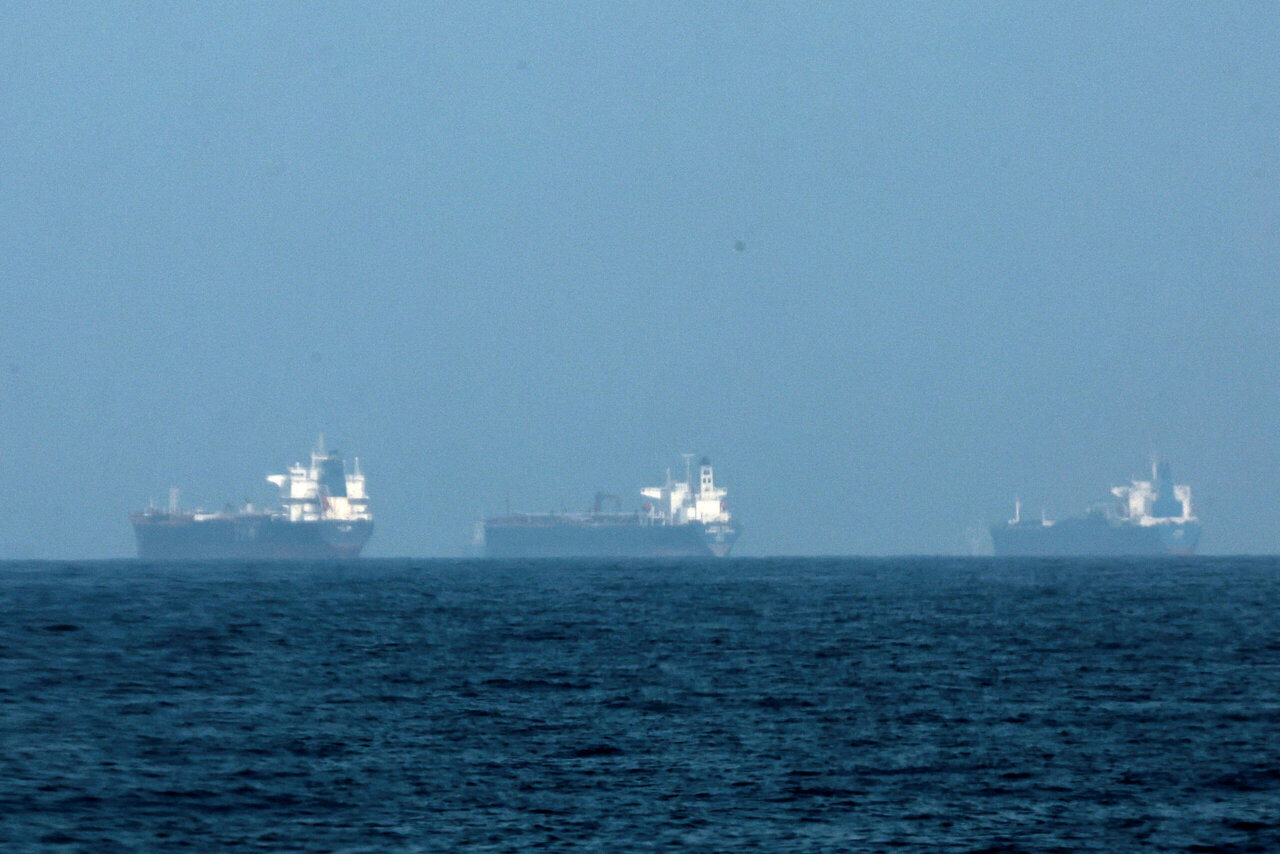
TEHRAN- Regarding the recent move by the U.S. President to enforce a naval siege of the Persian Gulf aimed at political and economic strain on the Iranian people, analysts warn that if such a measure is implemented, it will have a direct and severe impact on the global energy sector.
Only authorized vessels will be permitted to pass—meaning ships that have traded with Iran or are not deemed acceptable will be halted. This strategy, while intended to isolate Tehran, risks triggering an unprecedented energy crisis.
In effect, this would restrict or cut off the flow of oil, energy, and goods from the Persian Gulf, a waterway through which nearly one-fifth of global petroleum passes.
This would naturally drive up global energy and oil prices and could serve as Iran's strongest source of leverage against Trump's policies, giving Tehran a powerful retaliatory tool.
An intensification of naval blockade threats could disrupt energy export routes and push oil prices to record levels—a development with far-reaching consequences for global markets, the U.S. economy, and inflationary pressures, potentially derailing any hopes for near-term interest rate cuts.
Suppose Trump could pull off such a blockade—it would carry an extremely steep price.
Some secondary statistics suggest that Iran has roughly 80 to 120 million barrels of crude floating at sea, being transported to various destinations, especially China. Additionally, Iran is selling about two million barrels per day at current prices near $140 per barrel, generating around six to seven billion dollars in monthly revenue. Iran's monthly oil income has risen two to three times compared to the pre-war period, and even if a blockade is enforced, Iran could sustain high-level exports for one to two months.
It is unlikely that Trump could keep the blockade going for more than a month, because the expense of closing the Strait of Hormuz is extremely high for both the U.S. and the world.
During the recent 40-day conflict, even with only partial disruptions to energy transit, enormous pressure was created—let alone if the strait were completely sealed off, which could spark a global recession. Citing Morgan Stanley's projection that countries' strategic energy reserves will remain adequate only until April 20, one can explain: At the onset of the war, Trump announced that the conflict would not be prolonged, and strategic reserves would be tapped in a limited manner to keep markets calm.
But now the situation has shifted, and countries realize the war will be drawn out, possibly continuing for one or two years. As a result, they have pulled back from releasing reserves, fearing they would have nothing left for a real emergency.
The U.S. has also released its reserves only to a very limited degree.
The market has recognized this reality, and the price gap between the physical market and the paper market reflects this—where prices in the physical market have climbed to around $140 due to rising demand and constrained supply.
In sum, the market has come to understand that the war will be lengthy and that reserves are no longer sufficient to cope with the situation.
Thus, previous forecasts have been abandoned, and the market environment has entered a new phase—one defined by sustained volatility, where any miscalculation at sea could send oil prices soaring past $200 a barrel, with no easy off-ramp in sight.
Leave a Comment